Your Idea. Our HDPE Fabrication Capability.
Bring us a drawing, a concept or a problem that needs a practical solution. From our Jandakot workshop, Polyline combines CNC cutting, bending, fusion butt welding and extrusion welding to create custom HDPE components and assemblies.
We can work from your design or help develop the shape, connections and construction needed for the job.
Custom HDPE fabrication · In-house equipment · Western Australia since 1999

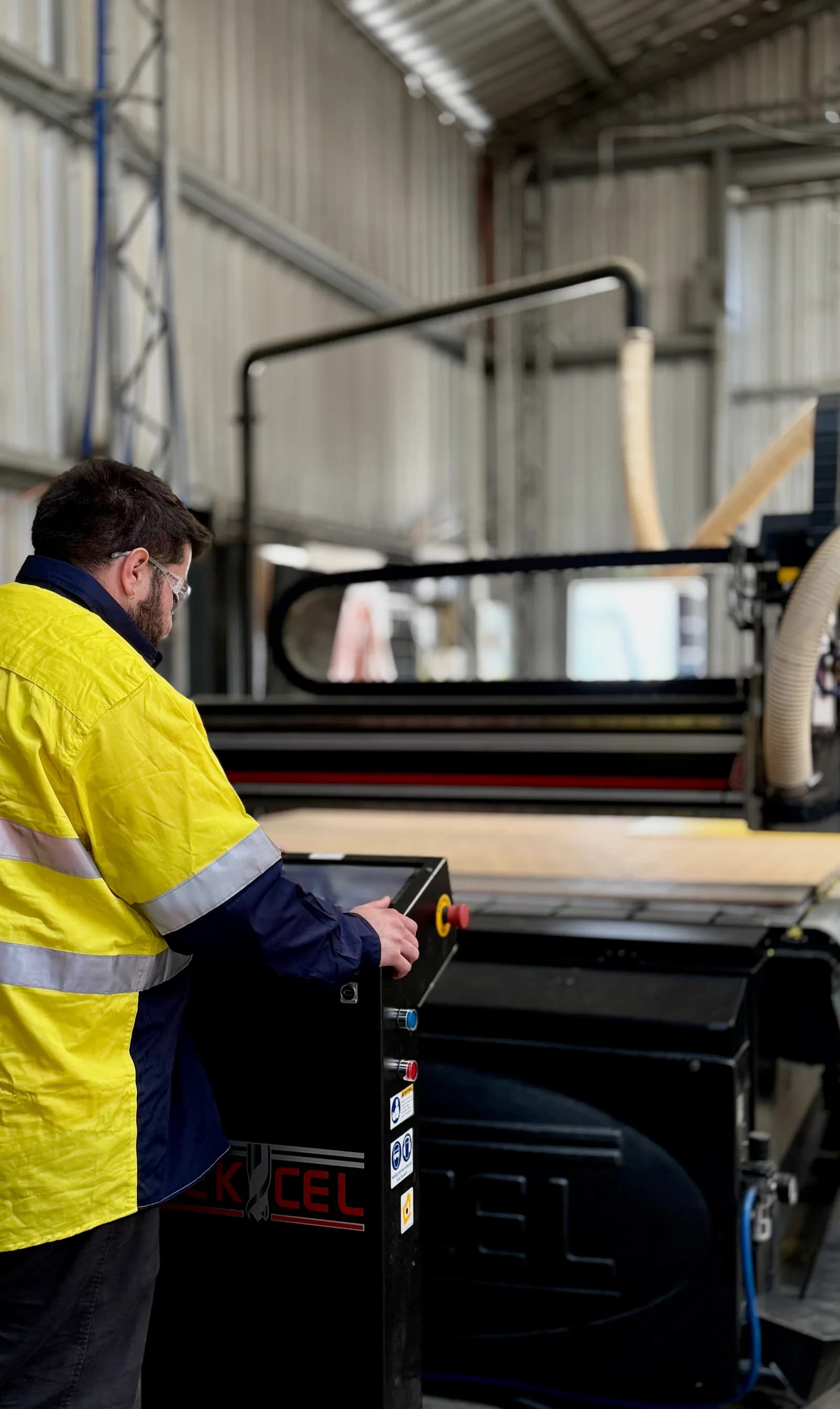
Cut the shape your project needs.
Our CNC router cuts HDPE sheet into individual components, complex profiles and repeatable parts. Openings, slots and connection features can be incorporated into the design before assembly.
Whether you need a shaped protection panel, a perforated screen or components for a larger structure, accurate cutting provides the starting point.
Workshop capability
- 4,100 × 2,055 mm processing area.
- HSD 9 kW spindle, operating up to 24,000 RPM.
- Automatic tool change and tool-length sensing.
- Vacuum table for holding sheet during machining.
Possible applications: Protective panels, screens, flanges, adaptors and assembly components.
Turn flat sheet into formed sections.
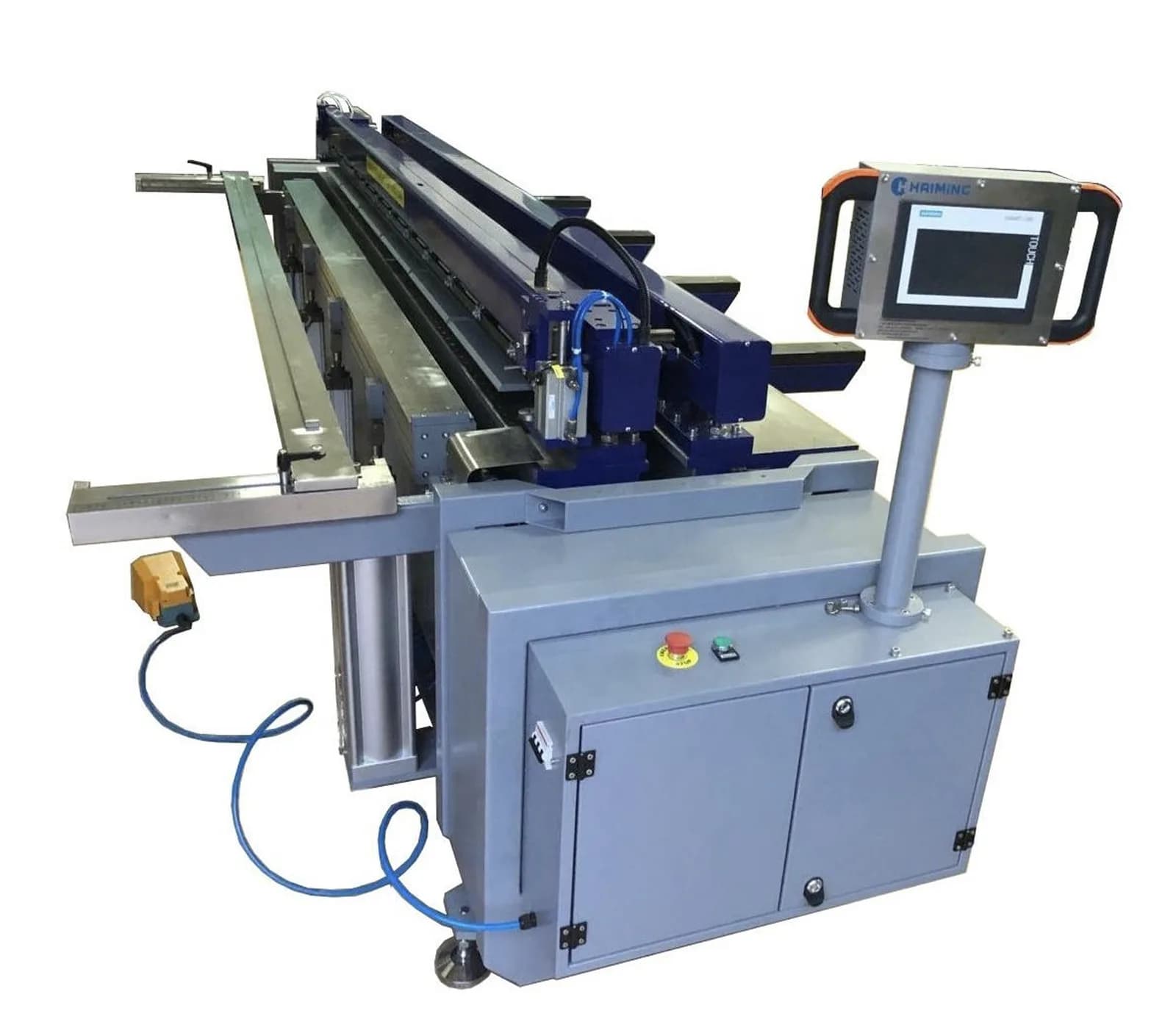
Bending creates the shape; fusion butt welding joins HDPE edges using controlled heat and pressure. Together, these processes allow us to move beyond flat components and produce formed sections for custom assemblies.
This capability supports cylindrical duct sections, shaped bodies and other fabrications where the geometry needs to fit the installation.
Possible applications: Duct sections, curved components and joined sheet assemblies.
Bring the components together.
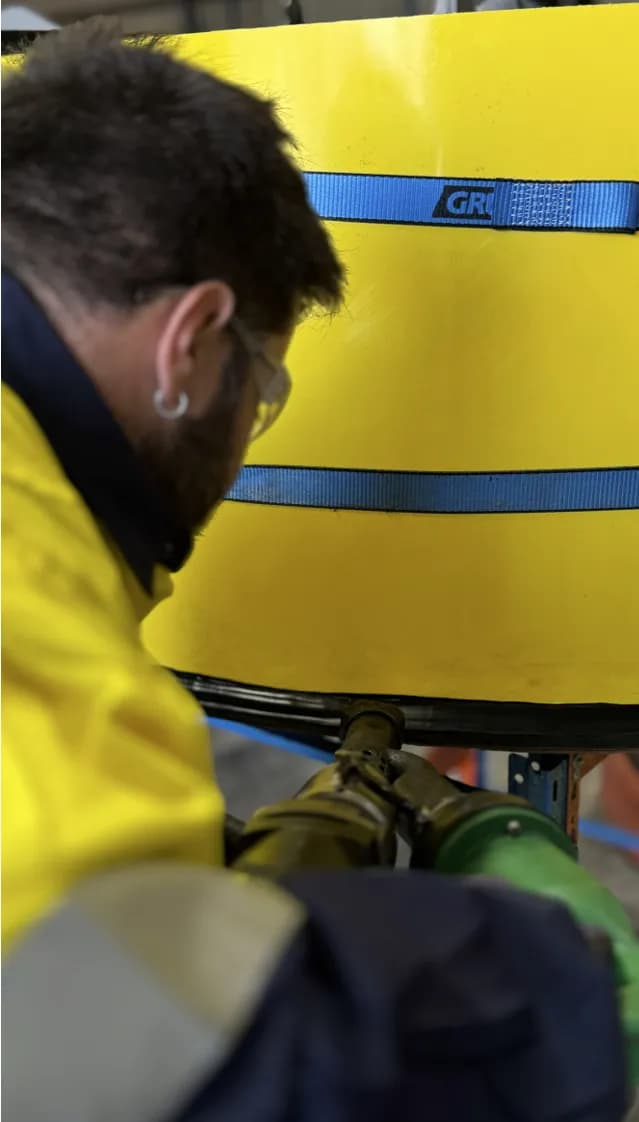
Extrusion welding allows our fabricators to complete detailed joints and fit-up, joining cut and formed components into finished products.
Our qualified, experienced HDPE welders work in a supervised fabrication environment, with extrusion welding performed to DVS 2207-4. Keeping this work in-house gives us direct control over assembly and workmanship.
Possible applications: Pump floats, pontoons, tanks, duct fittings and custom structures.
Select the thickness to suit the task.
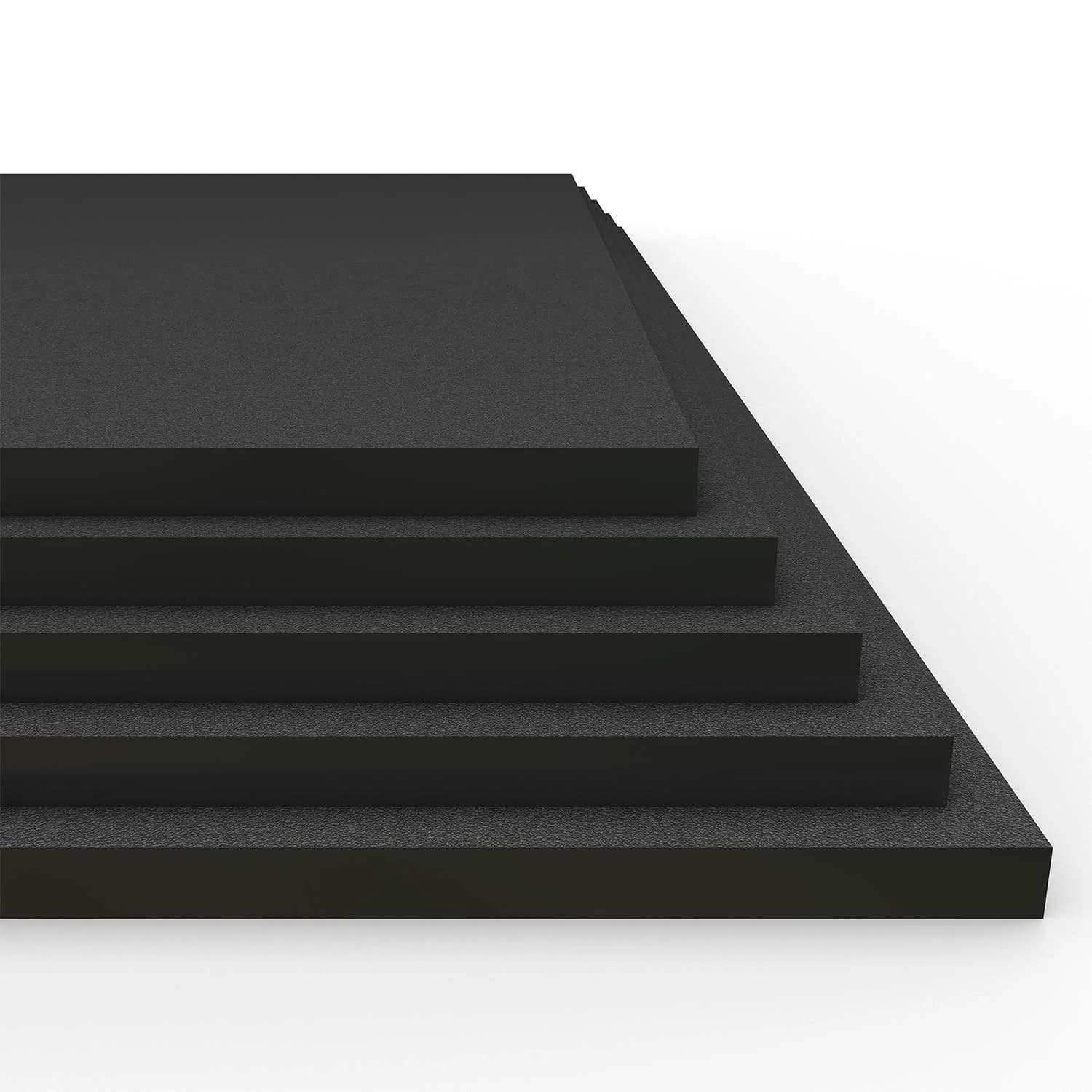
We fabricate from HDPE flat sheet in 3, 6, 10, 15, 20, 30, 40 and 50 mm thicknesses.
Material selection depends on the loads, geometry, operating environment and fabrication method. HDPE’s low weight, corrosion resistance and impact resistance make it useful across a wide range of industrial applications.
Develop the details before fabrication.
If your project starts with an idea rather than a finished drawing, we can help develop it into a workable design.
Our capabilities include:
- SolidWorks 3D design: Concepts, layouts and visualisations to define the proposed solution.
- Structural analysis: FEA for lifting points, brackets and critical structures where required.
- Flow analysis: CFD where airflow or intake behaviour influences the design.
- Project documentation: Drawings, calculations, transport information and installation guides appropriate to the scope.
- Development work: Exploring new configurations for specific operational challenges.
The level of engineering and documentation is agreed around the requirements of each project.
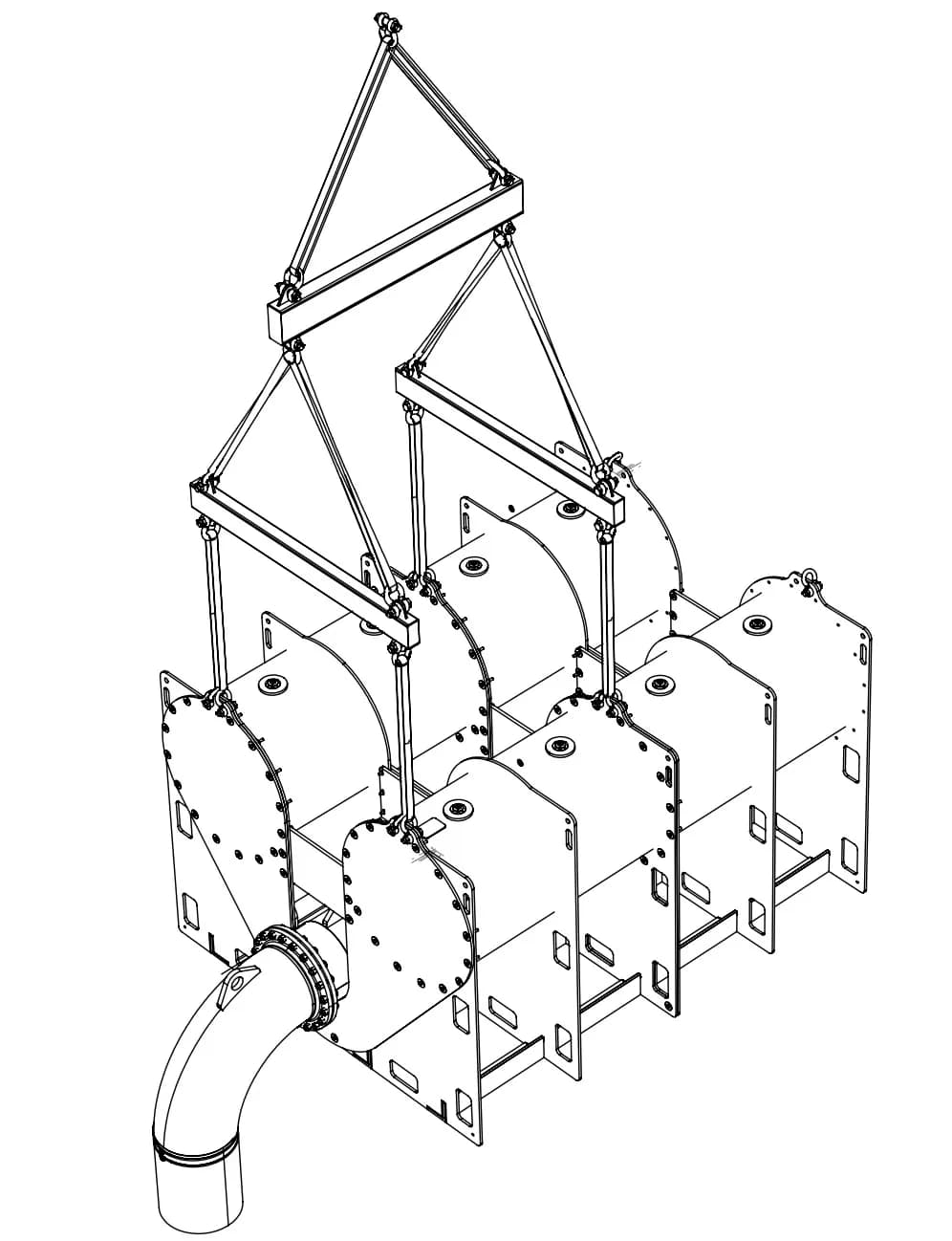
What could we make for your project?
A component that fits a restricted space
Custom bends, transitions and low-profile duct sections developed around available clearances.
See ductingA float matched to your equipment
Pump supports, discharge arrangements and protective features incorporated into a purpose-built float.
See pump floatsAn assembly that travels in sections
Segmented ducts and modular platforms designed with transport, handling and site assembly in mind.
See segmented ductingA shaped protective part
CNC-cut panels and liners made to suit the equipment or surface they need to protect.
See door protectorsThese are examples of how the processes can be combined. Your requirement does not need to match an existing catalogue product.
Bring us the problem you need to solve.
Send a drawing, sketch or photographs and explain what the component needs to do. Useful details include the available space, operating conditions, loads, connections and required quantity.
You do not need a completed design to start the conversation. We can review the idea, discuss fabrication options and identify the next steps.
Download our capability statement →◆ Resource · PDF · 43 pages · 10.9 MB