Why HDPE

HDPE beats steel — in numbers.

The data behind our material choice. Lighter, lifelong and lower-maintenance — by design, not marketing.

HDPE pontoon vs carbon steel.

≈ 960 kg/m³
HDPE density
≈ 7,850 kg/m³
Carbon steel density
No paint
HDPE corrosion
Visual only
HDPE maintenance
Lower
Lifecycle cost
~ 8× less mass
For equal buoyancy

No paint. No rust. No cathodic protection.

HDPE is immune to rust. There's no coating to fail. Over the life of a mine install, eliminating paint prep and periodic repaint cycles removes a significant recurring cost — and the downtime that comes with it.
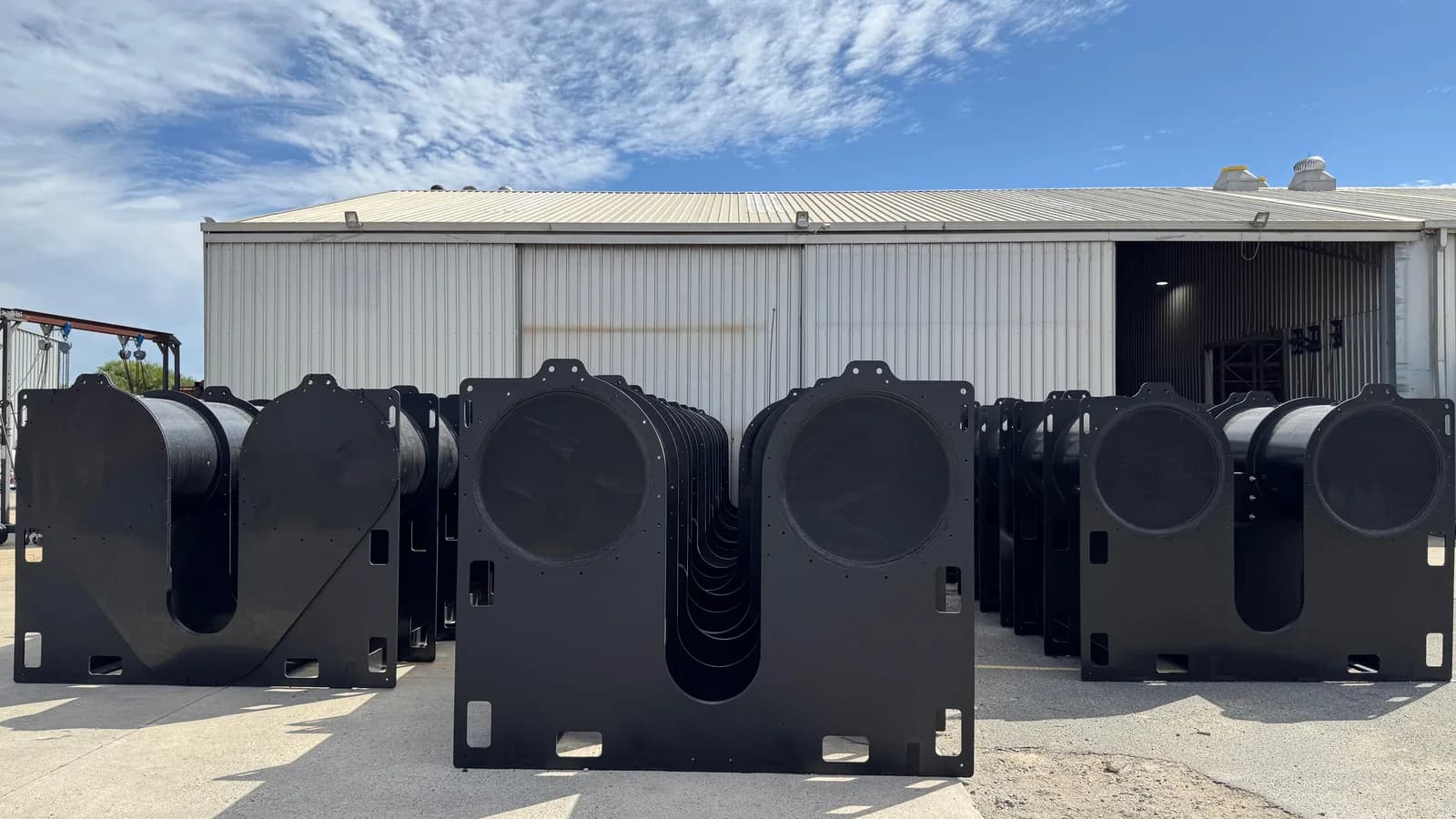
Large HDPE pump float deployed in dewatering pond

Visual checks instead of dry-docks.

Steel marine structures typically go into dry-dock every 2–3 years for inspection and recoating. HDPE can be visually checked on site, which changes the operating economics.

Impact-resistant and flexible.

HDPE absorbs impact rather than denting permanently. That matters when barges, cranes and pump bodies come into regular contact with the structure.

Lower across the asset's life.

Across the life of the asset, lifecycle cost for HDPE is typically lower than steel when maintenance and downtime are included — not just first-install capital.

Carbon footprint.

HDPE resin is ≈ 3.1 kg CO₂e/kg. But because an HDPE float needs roughly 8× less mass than steel for equal buoyancy, net cradle-to-gate footprint drops roughly 55–80% — indicative, not a marketing claim.

Numbers from product-level LCA approximations; site-specific studies vary.

Replacing steel with HDPE on a site?

We'll scope the swap — part-for-part or redesigned for the job.